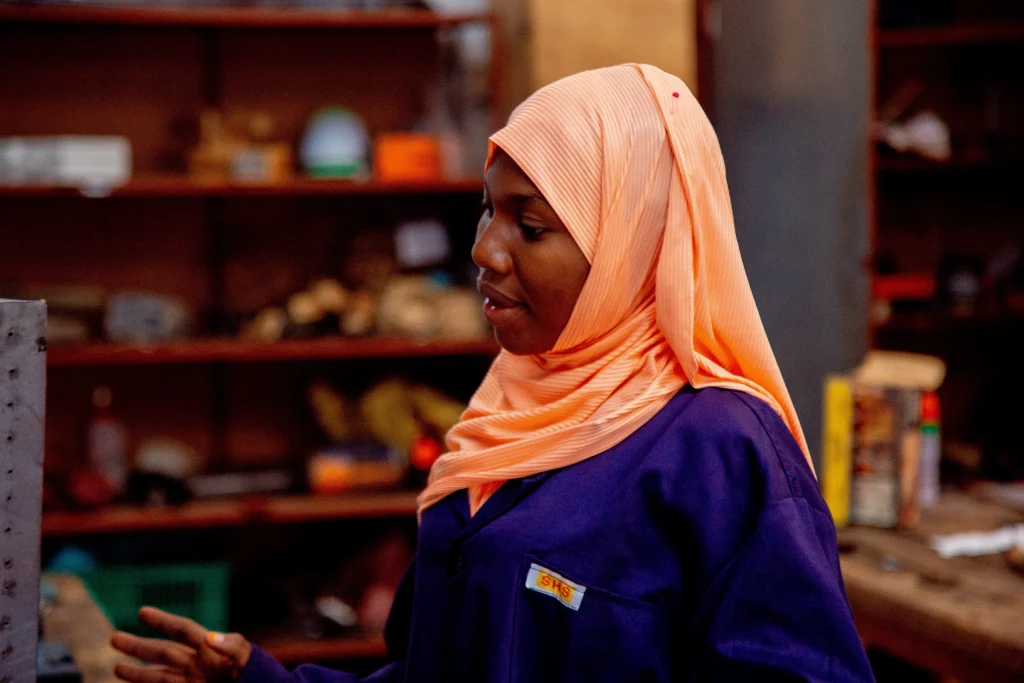
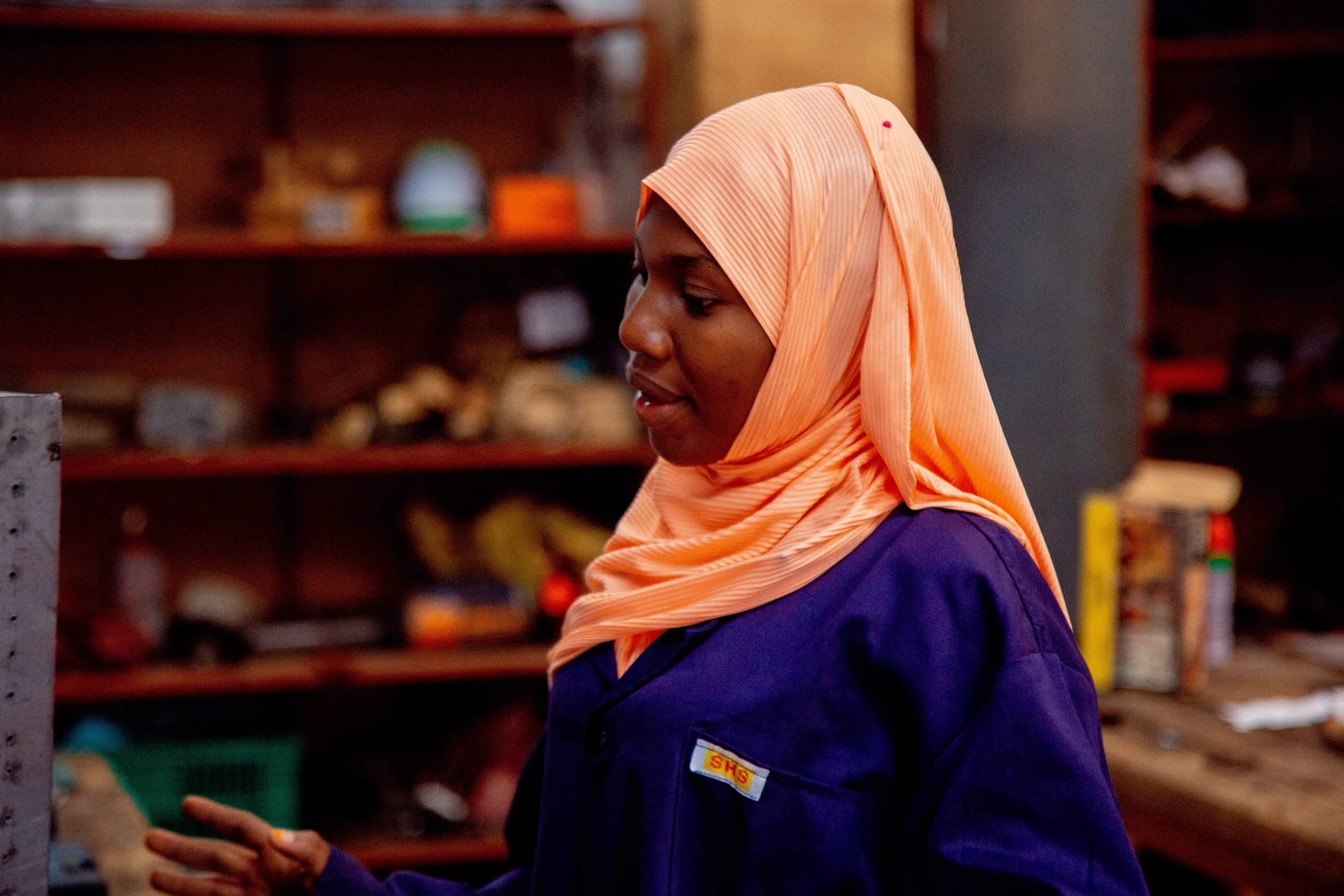
Our education programs empower and inspire future problem-solvers by nurturing a passion for innovation, helping students explore their interests and develop new skills.
Hands On, Practical Innovation
The Build It Workshop
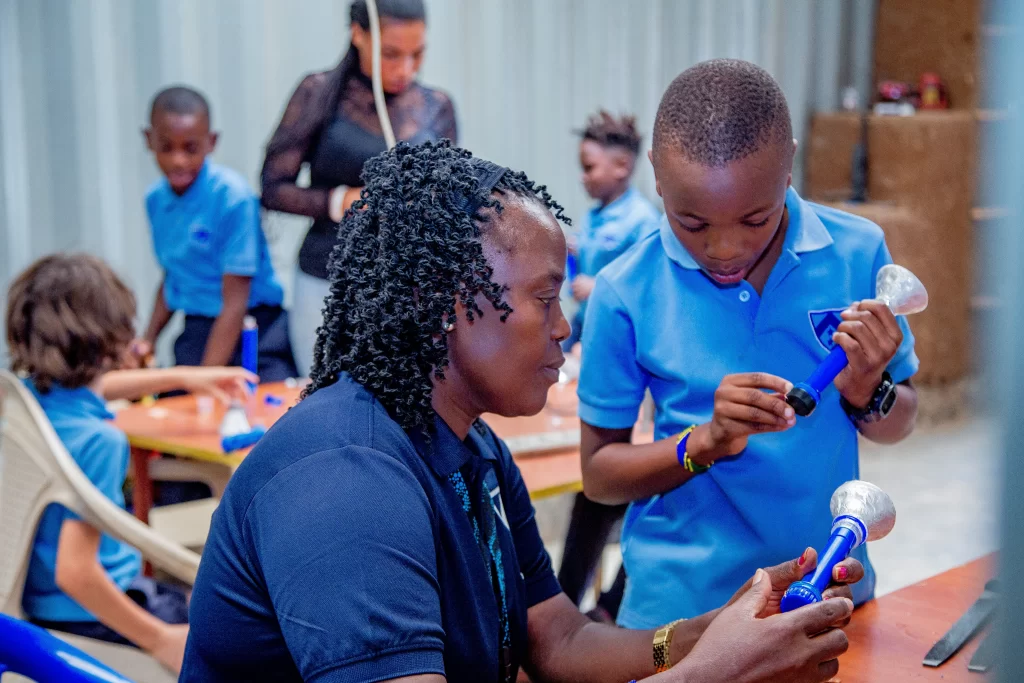
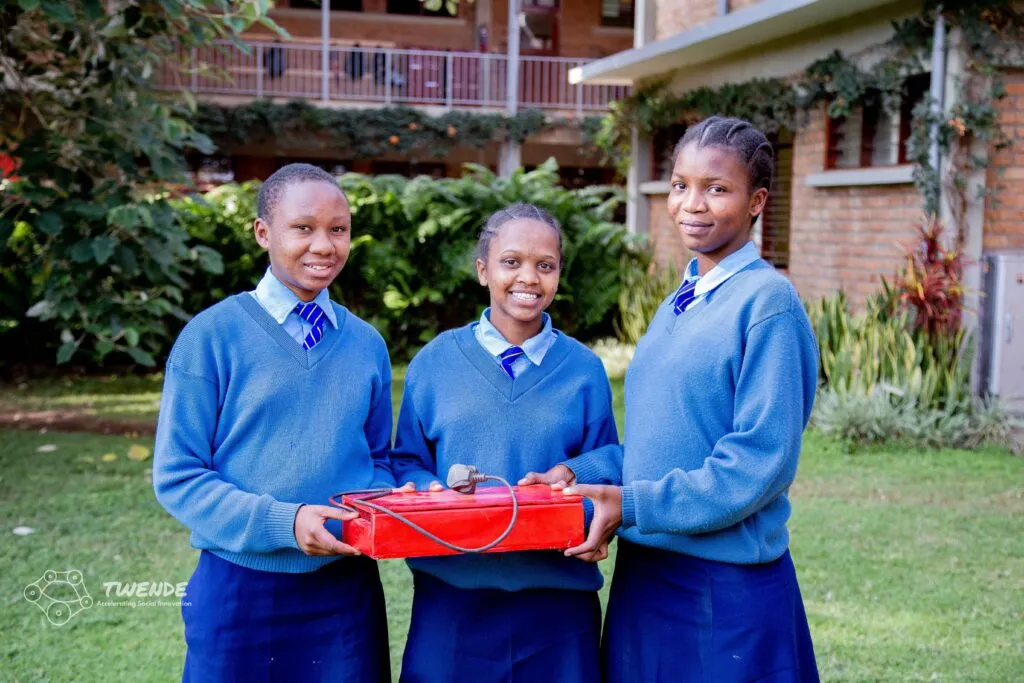
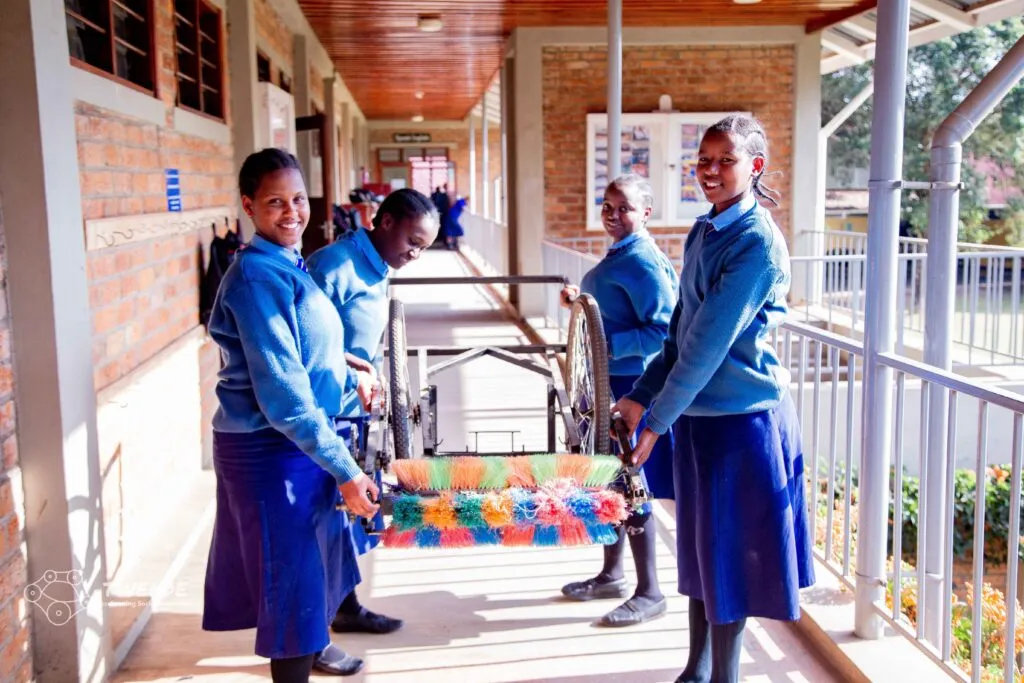
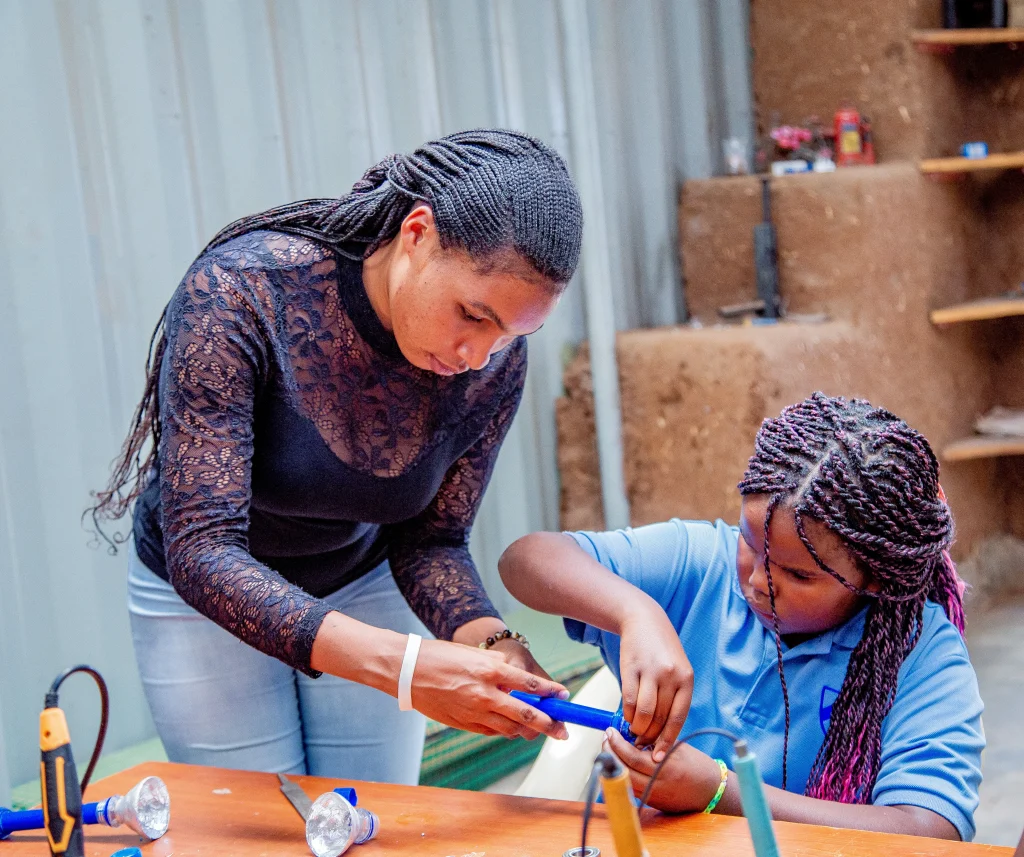
This cutting-edge educational experience equips students with practical skills by guiding them to construct a specific product using locally sourced materials. This immersive, hands-on workshop enables students to apply scientific concepts learned in school, deepening their understanding of design and manufacturing. By fostering creativity and problem-solving, the program inspires students to pursue further education in STEM and innovate for their communities, effectively bridging the gap between theory and real-world application.
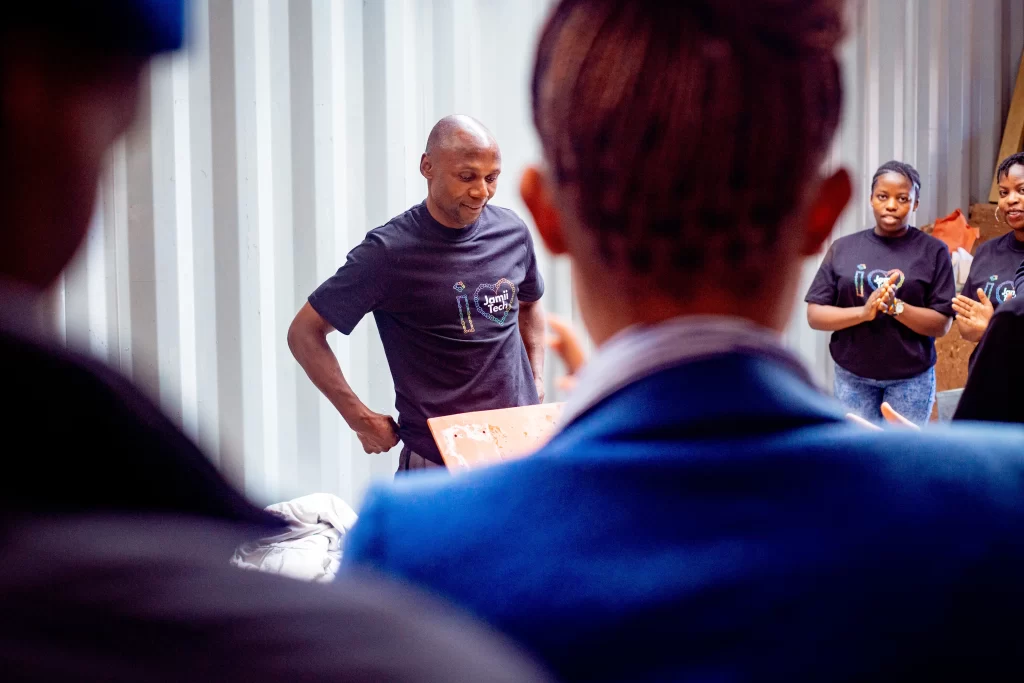
“Chris showed us how to make cool stuff we can use every day in just one to three days. It was really fun and made us feel more confident using tools!”
Details
Build It Workshops specialize in equipping participants with targeted skills. Unlike our broader programs promoting creativity and problem-solving, these workshops have specific themes, culminating in the creation of tangible products. Currently, we feature a two-hour Introduction to Electronics Workshop for secondary schools, along with the opportunity to build these tools:
Affordable Flashlight (~6 hours)
Automatic Switch (~7 hours)
Solar-Powered Phone Charger (~10 hours)
Spirit Stove (~3 hours)
Bottle Opener (~2 hours)
Inspired by the MIT D-Lab Creative Capacity Building
The Innovation Club
Program
In our complex, ever-changing world, students must think critically, solve problems creatively, and innovate. Yet, many schools fall short in fostering these essential skills. The Innovation Club Program addresses this gap by offering hands-on, engaging opportunities for students to learn about innovation, enhance their critical thinking and problem-solving abilities, and work on real-world projects, all while encouraging them to think outside the box.
“The Innovation Club was so much fun! It pushed me to think differently and tackle real-world challenges in creative ways.”
Details
The Innovation Club Program is inspired by the MIT D-Lab Creative Capacity Building (CCB) methodology. CCB is a community-driven innovation methodology that teaches participants how to design and build low-cost solutions to the challenges they face. This program successfully:
Increase student awareness of innovation
Develop student critical thinking and problem-solving skills
Provide students with opportunities to work on real-world projects
Encourage students to think outside the box
Empower students to use their creativity to solve problems in their community
Unlocking Digital Potential
The ICT Workshop
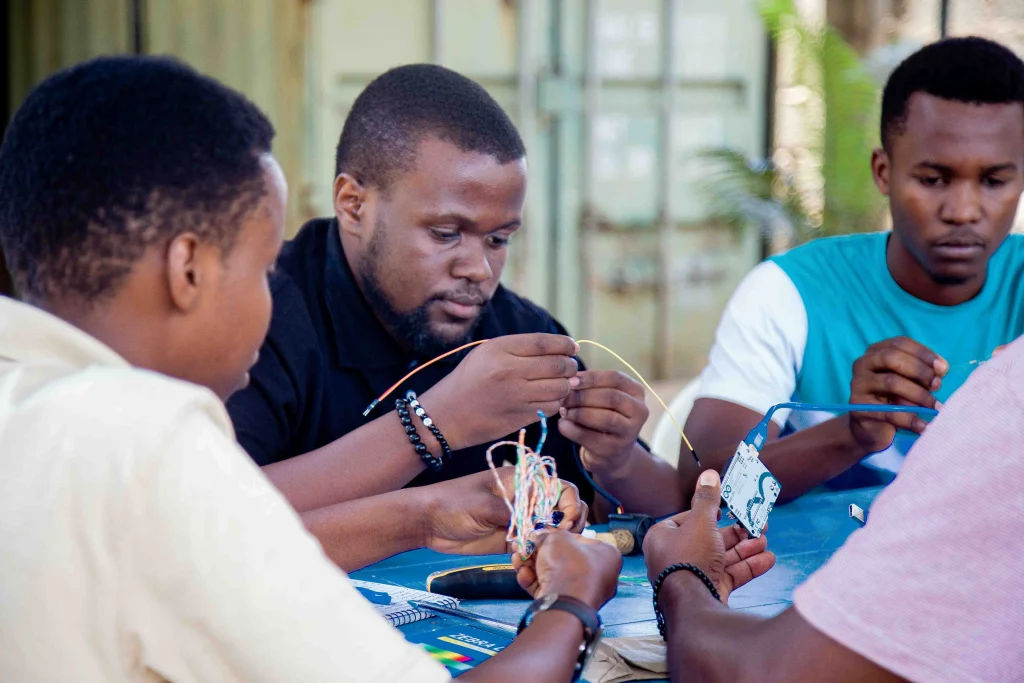
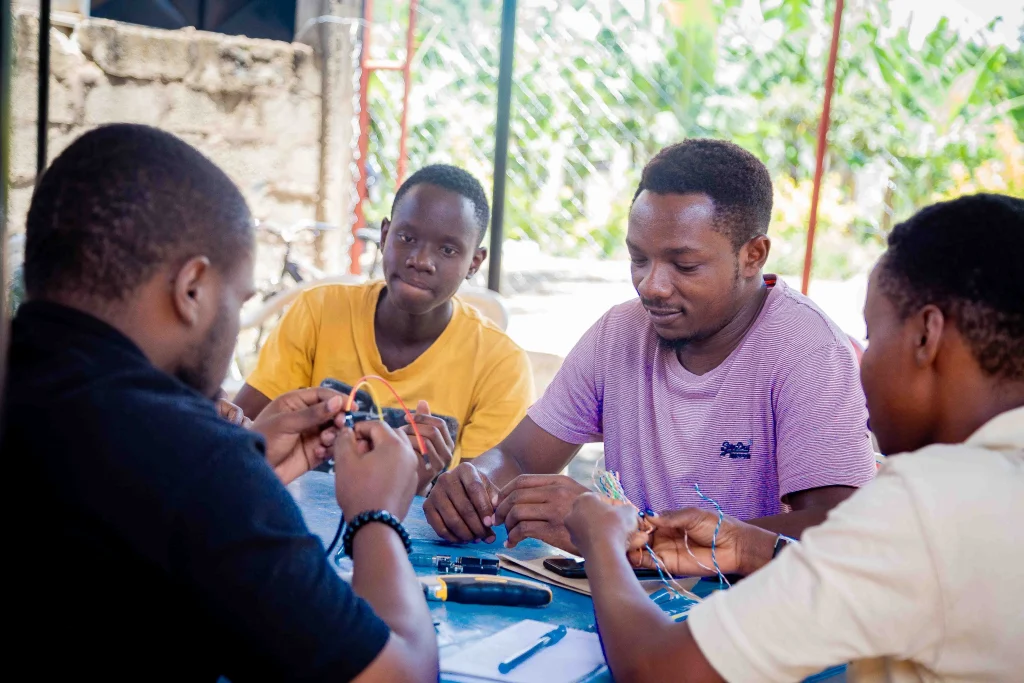
Twende’s ICT Workshops are designed to bridge the digital divide and empower individuals of all ages with essential 21st-century skills. These hands-on workshops go beyond basic computer literacy, fostering creativity, problem-solving, and responsible technology use. Participants explore the exciting world of coding, upcycling, and digital fabrication, gaining the confidence and skills to become both consumers and creators of technology.
To date, we have conducted 4 workshops, training 140 learners and fostering a new generation of tech-savvy individuals.
Key Focus Areas
Upcycling: Learn to repurpose discarded electronics, transforming e-waste into functional devices and innovative creations. This promotes environmental sustainability and resourcefulness.
Coding: Develop foundational coding skills through engaging projects and user-friendly programming languages like Scratch and Python. Participants learn to create interactive games, animations, and simple applications.
Fabrication: Get hands-on experience with digital fabrication tools like 3D printers, turning digital designs into physical objects.
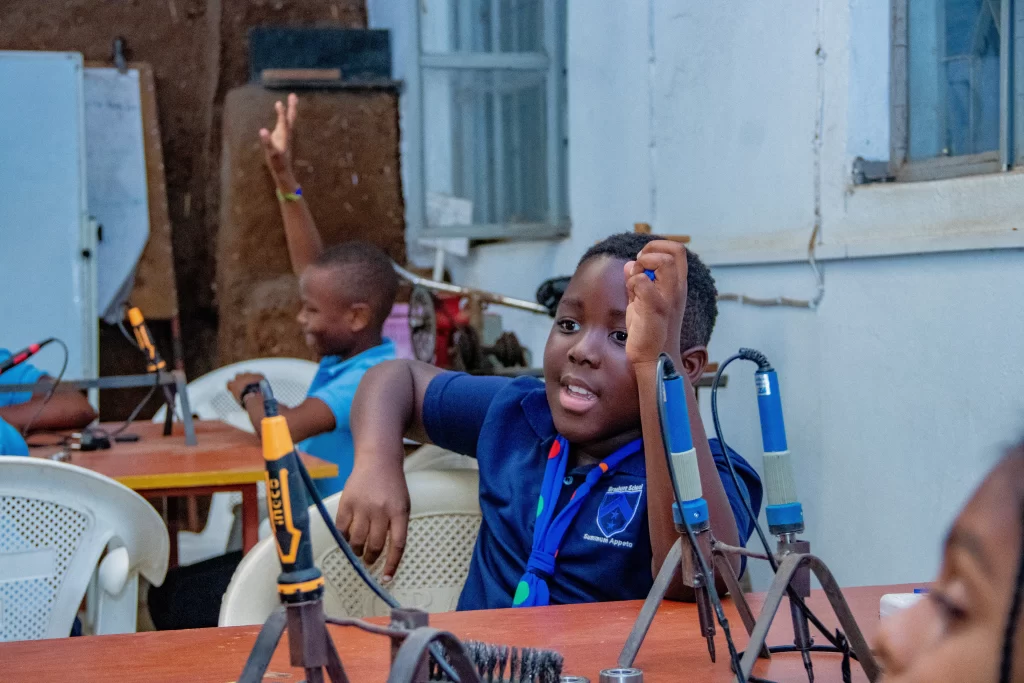
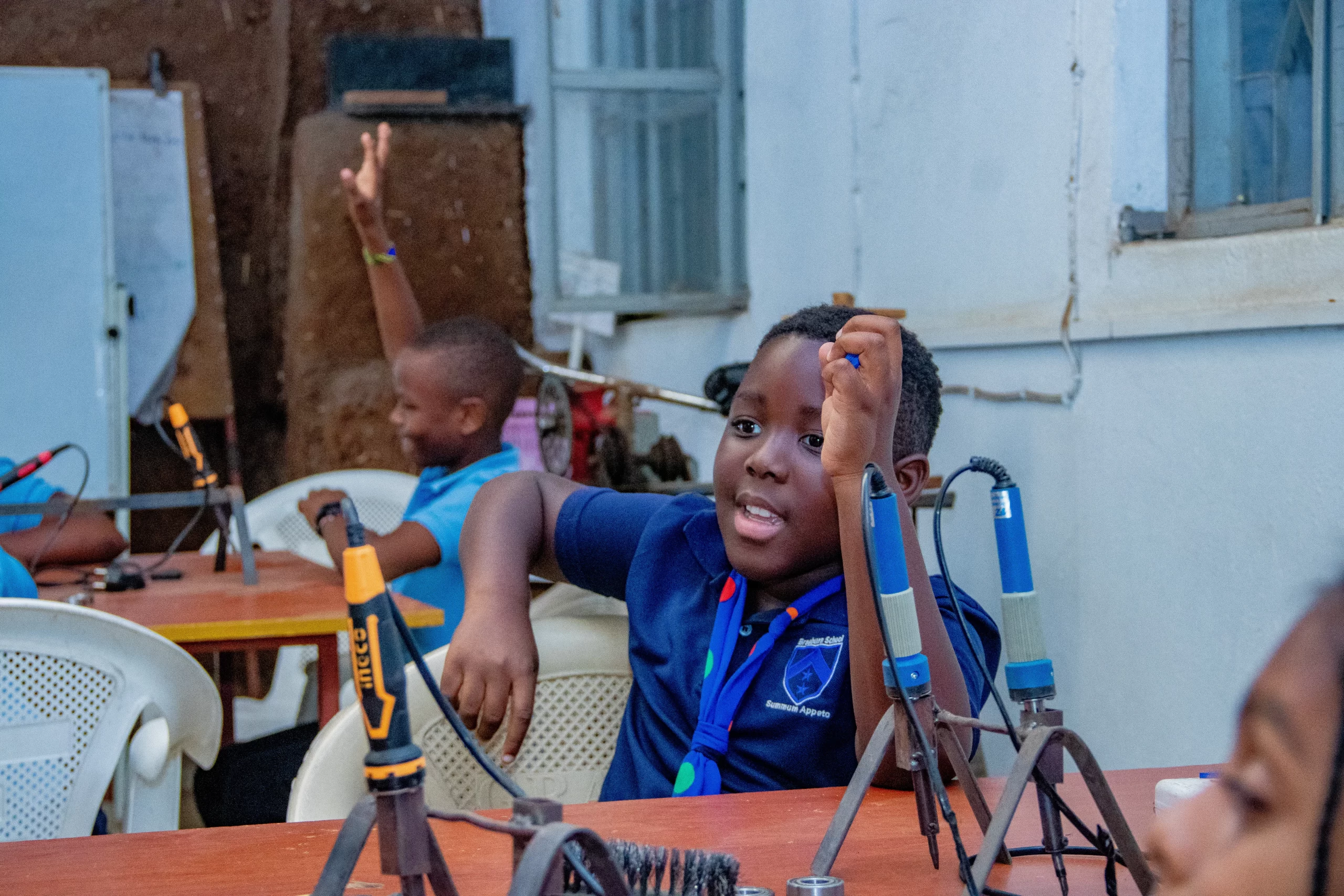
Basic Electronics: Understand the fundamentals of circuits, learn to solder, and build simple electronic devices.
Target Audience: Our ICT workshops are open to everyone, including youth, community members, educators, and anyone eager to explore the creative potential of technology
Impact
Solar-powered systems: Providing sustainable energy solutions for homes and communities.
Vein viewing devices: Assisting healthcare workers in locating veins for medical procedures.
Mini microscopes: Enhancing science education in schools.
Automatic control of light intensity with remote monitoring in phototherapy devices: Improving neonatal care.
Igniting a Passion for STEM
Stem Outreach
Twende’s STEM Outreach programs are designed to spark a lifelong love for science, technology, engineering, and mathematics (STEM) in young minds. We believe that early exposure to STEM is crucial for fostering a culture of innovation and developing the problem-solvers of tomorrow. Our programs bring STEM to life through engaging demonstrations, hands-on experiments, and inspiring visits to our Makerspace.
We actively collaborate with schools, educational organizations, and STEM-related companies to expand the reach and impact of our STEM Outreach programs.
Program Activities
Hands-On Experiments: Students participate in fun and educational experiments, allowing them to explore STEM concepts firsthand. Examples include building simple circuits, conducting physics experiments, designing and testing structures, and more.
Makerspace Visits: We offer guided tours of Twende’s makerspaces, providing students with the opportunity to witness real-world applications of STEM, interact with makers and innovators, and explore the tools and technologies that drive innovation.
Competitions and Challenges: We organize engaging STEM-related competitions and challenges that foster creativity, problem-solving, and teamwork.
Target Audience: Our STEM Outreach programs are tailored for primary and secondary school students across Tanzania with a strong base in Arusha and Kilimanjaro.
Curriculum and Focus
Our STEM Outreach programs are carefully aligned with the Tanzanian school curriculum, reinforcing concepts learned in the classroom and making them more relevant to students’ lives.
We focus on topics especially in physics that are relevant to local challenges and opportunities, demonstrating the power of STEM to address real-world problems.